Neurology
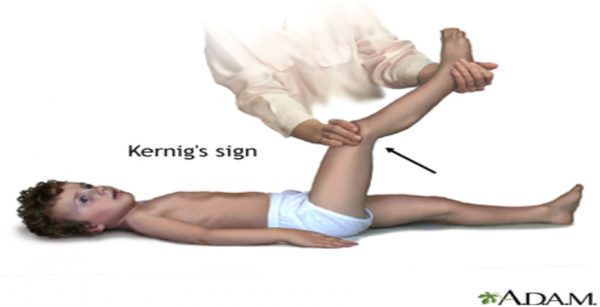
Kernig’s Test
Kernig’s Test : Kernig’s test or meningeal stretch test is used for assessing neurological irritation of meninges layers or nerve roots in suspicious patients. This video explains how to perform a Kernig’s test.

Kernig’s Test : Kernig’s test or meningeal stretch test is used for assessing neurological irritation of meninges layers or nerve roots in suspicious patients. This video explains how to perform a Kernig’s test.

Hypertensive haemorrhage in haemorrhagic stroke : In this video, different ways of brain hemorrhage classification and hypertensive hemorrhage, in particular, is discussed. Hypertensive hemorrhage is a primary cause of stroke. Also, the common sites of hemorrhage, MRI imaging changes and

hyperacute infarction in ischaemic stroke: Ischemic stroke is usually because of thromboembolism. In addition to etiology, this video discusses about Imaging of acute stroke, managing of ischemic stroke, hyperacute findings and etc.

headache explanation : There are two main types of headaches: primary and secondary, which is also known as red flag headaches. Subtypes of these types of headache and their features and also their management and treatment are discussed in this

haemorrhagic transfornation in ischaemic stroke : This video discusses about hemorrhagic transformation of ischemic stroke and how to distinguish it from other strokes. The manifestations of hemorrhagic transformation on MRI imaging are explained here.

fogging in ischaemic stroke : CT fogging is a transient return of infarcted cortex to a near normal appearance. The phenomenon of CT fogging in ischemic stroke and its etiology are discussed in this video.

evolution from acute to chronic ischaemic stroke : This video explains the temporal evolution of ischemic stroke and the differences between acute and chronic ischemic stroke. The acute phase lasts about 2 weeks. The chronic phase begins months to years
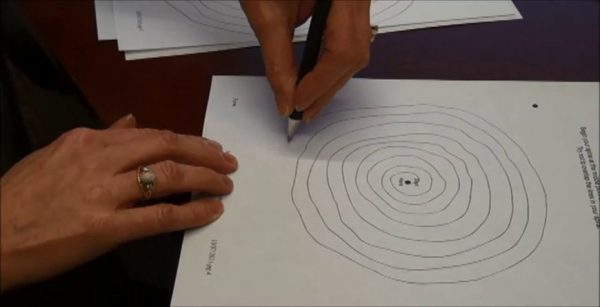
Essential tremor : Essential tremor is a neurological disorder that causes involuntary and rhythmic shaking. The shaking usually occurs in hands. This video shows a case of essential tremor and an electronic device that can resolve tremor.

Cranial nerve Examination : Cranial nerves supply head and neck. They are 12 paired nerves that arise directly from the brain. This video shows a complete examination of these cranial nerves and some special tests such as weber’s test, turning
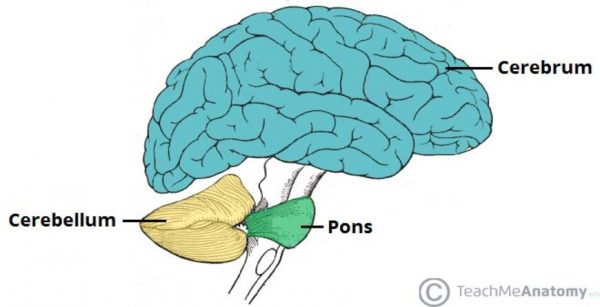
cerebellar Examination : This video demonstrates a complete examination of cerebellum. It involves assessing gait, balance, posture, speech, nystagmus, tone, coordination, rebound phenomenon, knee reflex, heel to shin test and etc.
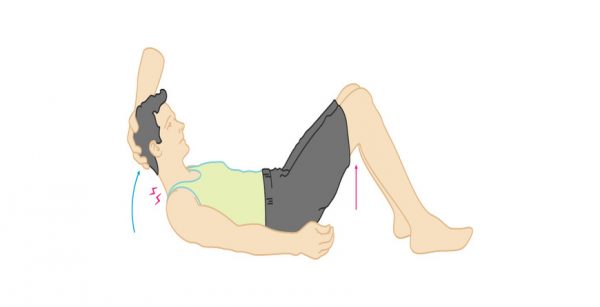
Brudzinski’s Test : Brudzinski’s test (meningeal stretch test) is a neurologic test that is performed in patients with suspicion to meningitis. If the knees and hips flex in response to passive neck flexion, the test in considered positive.

Bells palsy : Bell’s palsy is caused by facial muscle weakness or paralysis due to facial nerve (VII) damage. In this condition, one side of the face or head is usually affected. This video shows a case of Bell’s palsy
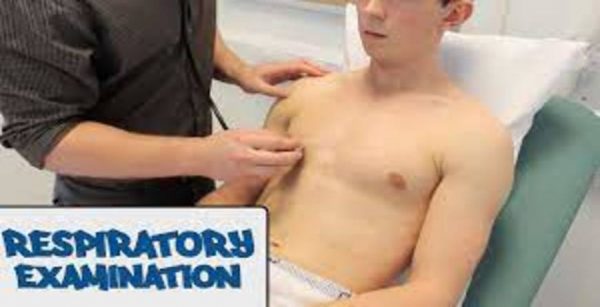
Respiratory Examination : This video is about the usual chest examination, especially examining lungs. Assessing lymph nodes, jugular venous pressure, respiratory rate, chest expansion, palpating apex beat, auscultating lung fields and abnormal lung sounds are shown in this video.

Respiratory auscultation sounds : Auscultating lung sounds is a very important step in examining the chest. The technique of examining lung sounds and abnormal lung sounds such as crackles and wheeze; and, their associated diseases are demonstrated in this video.

Peak expiratory flow rate (PEFR) : Peak expiratory flow rate (PEFR) is the maximum flow rate generated during a forceful exhalation and it is usually used for monitoring some lung diseases such as asthma, COPD and etc.

Nebuliser Explanation : A nebulizer is a device for delivering medication as a mist through a facemask or mouthpiece quickly and easily. In this video, the correct patient position, preparing the nebulizer and how to use it is demonstrated.